

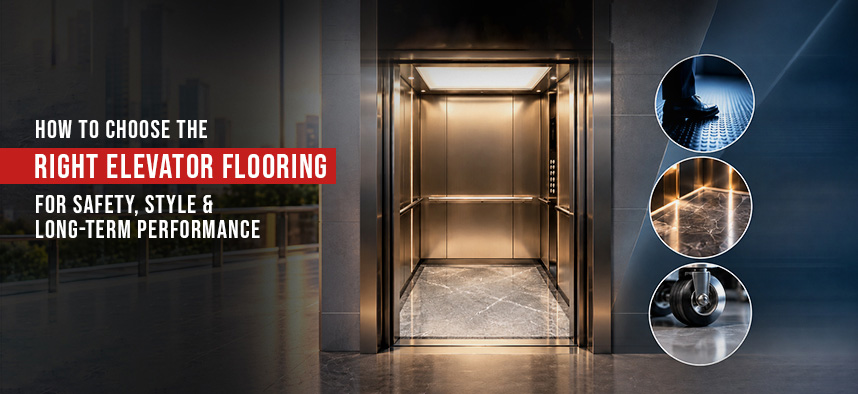
How to Choose the Right Elevator Flooring for Safety, Style and Long-Term Performance
Elevator flooring is often selected to match the cabin's walls, lighting, and overall interior design. But what happens when that flooring needs to withstand thousands of passenger movements, resist everyday wear, remain easy to maintain, and complement the elevator's technical requirements?
For elevator manufacturers in Ahmedabad, flooring selection is becoming an important part of designing elevator cabins that balance visual appeal with everyday performance. The choice of material can influence slip resistance, durability, cleaning requirements, cabin weight, and the overall passenger experience. From premium residential towers to busy commercial buildings, flooring decisions require more than choosing an attractive finish. This blog explores the materials, safety considerations, maintenance requirements, and design factors that make elevator flooring an important part of modern elevator planning.
Table of Contents
- Why Elevator Flooring Is More Than an Aesthetic Decision
- Elevator Flooring Materials and Their Practical Applications
- How Slip Resistance and Safety Influence Flooring Choices
- Why Flooring Weight Matters in Elevator Design
- What Should You Expect From Lift Manufacturers in Ahmedabad?
- How an Elevator Company in Ahmedabad Can Balance Design and Performance
- What to Consider When Comparing Elevator Manufacturers in India
- How EPIC Elevators Fit Into Modern Elevator Design
- FAQs
- Conclusion
Why Elevator Flooring Is More Than an Aesthetic Decision
Elevator flooring experiences constant use. Passengers walk across it throughout the day, luggage wheels move over its surface, and regular cleaning exposes it to different cleaning products and moisture conditions. A material that looks impressive during installation may not be suitable for a high-traffic building if it scratches easily, requires intensive maintenance, or does not provide appropriate traction.
When evaluating flooring, project owners and elevator manufacturers in Ahmedabad should consider five essential factors.
- Durability: The flooring should withstand the expected level of passenger traffic and everyday wear.
- Slip resistance: The surface should offer appropriate traction for the intended environment.
- Maintenance: Cleaning and upkeep should be manageable within the building's operational routine.
- Weight: The installed flooring must be considered as part of the elevator cabin's overall weight and load calculations.
- Design compatibility: The material should complement the cabin's walls, ceiling, lighting, and fixtures.
These factors help determine whether a flooring option is suitable for a particular application. The objective is to create a cabin that looks well-designed while remaining practical for daily use.
Before you choose an elevator finish, look beyond the surface.
Find Your Elevator SolutionElevator Flooring Materials and Their Practical Applications
Different flooring materials offer different advantages. The right selection depends on the building's requirements, the expected passenger traffic, the desired appearance, and the material's technical specifications.
Granite and Natural Stone
Granite and other natural stones are often considered for premium residential buildings, hotels, and corporate spaces. Their distinctive patterns and finishes can create a sophisticated cabin interior. However, natural stone can add substantial weight, depending on its density and thickness. Polished surfaces may also require careful assessment for slip resistance, while certain finishes may need specific cleaning procedures. Before choosing natural stone, project teams should evaluate its installed weight, surface characteristics, maintenance requirements, and compatibility with the elevator's design.
Vinyl Flooring
Vinyl flooring provides flexibility in colours, patterns, and textures. It can suit projects where designers want to coordinate the cabin floor with a particular interior theme. Some products offer relatively lightweight construction and straightforward cleaning. However, resistance to scratches, abrasion, moisture, and wear varies by product specification and installation quality. The flooring should therefore be assessed against the building's expected usage rather than selected on appearance alone.
Rubber Flooring
Rubber flooring can be considered for selected applications where traction, resilience, and functional performance are important. Its suitability depends on the specific formulation, surface texture, cleaning requirements, and the appearance expected for the elevator cabin. Product-level testing and technical specifications should guide the final decision.
Engineered Flooring Options
Engineered surface products can offer consistent patterns, contemporary finishes, and flexibility in cabin design. Depending on the product, they may also provide practical advantages in installation or maintenance. However, no material should be assumed suitable for every elevator. Thickness, weight, wear resistance, installation method, and applicable safety requirements must all be considered. For elevator manufacturers in India, evaluating flooring materials against the specific project brief is essential to balancing cabin aesthetics with practical performance.
How Slip Resistance and Safety Influence Flooring Choices
A visually appealing floor is not necessarily a suitable floor for every building. Elevator flooring should be assessed according to the conditions in which passengers will use it. Moisture from footwear, cleaning activities, or rainy weather can affect surface traction. This makes slip resistance particularly relevant in commercial buildings, hotels, hospitals, and other spaces with frequent passenger movement.
When selecting flooring, consider the following:
- Surface finish: Polished and textured finishes can perform differently under wet and dry conditions.
- Testing: Review relevant slip-resistance test results for the actual flooring product.
- Cleaning practices: Cleaning methods should maintain the surface's intended performance.
- Accessibility: Consider the needs of older adults, people with mobility limitations, and passengers carrying luggage.
- Floor transitions: Ensure that flooring thickness and installation do not create unsuitable transitions at the elevator entrance.
Safety should be evaluated using appropriate product data and applicable project requirements. Neither a premium appearance nor a textured finish alone guarantees a slip-resistant surface.
What lies beneath a well-designed elevator cabin?
Discover the DifferenceWhy Flooring Weight Matters in Elevator Design
Flooring is also an engineering consideration. Materials such as natural stone may weigh considerably more than certain lightweight alternatives, making their contribution to the overall cabin weight important. The elevator's design must account for the cabin's weight alongside its rated passenger and load capacity. Flooring thickness, adhesive or fixing systems, and other interior finishes may all contribute to the final installed weight. This is why flooring should be considered during cabin planning rather than treated as a decorative addition after the technical specifications have been finalised.
Before approving a material, project teams should confirm:
- The material's weight per unit area and total installed weight.
- Its thickness and proposed installation method.
- Compatibility with the elevator's rated capacity and cabin configuration.
- Whether any change requires technical review or design recalculation.
A carefully selected material can help achieve the intended interior appearance without overlooking the elevator's engineering requirements.
What Should You Expect From Lift Manufacturers in Ahmedabad?
When evaluating lift manufacturers in Ahmedabad, buyers should look beyond catalogue images and decorative cabin finishes. The selection process should also consider how the proposed elevator accommodates the building's functional requirements. A reliable evaluation process includes reviewing the proposed cabin configuration, flooring compatibility, technical documentation, maintenance requirements, and available customisation options. For example, a luxury residential project may prioritise coordinated finishes and a premium appearance. A commercial office building may place greater emphasis on durability, cleaning efficiency, and resistance to repeated foot traffic. Neither requirement is universally more important. The best approach depends on how the elevator will be used.
Before finalising a solution, ask the supplier:
- Which flooring options are available for the proposed cabin?
- What technical information is available about the selected material?
- How does the flooring affect cabin weight?
- What cleaning and maintenance procedures are recommended?
- Can the finish be coordinated with the cabin's other interior elements?
These questions help buyers compare solutions based on suitability rather than appearance alone.
How an Elevator Company in Ahmedabad Can Balance Design and Performance
An elevator company in Ahmedabad needs to consider the relationship between cabin interiors and the elevator's overall specifications when helping customers evaluate their options. Flooring selection should fit within a broader design approach that considers the building's architectural style, passenger requirements, expected traffic, and maintenance priorities. For instance, a premium residential cabin may benefit from coordinated flooring, wall panels, and lighting. A busy commercial cabin may require a more maintenance-conscious finish that withstands frequent use while maintaining a professional appearance.
A practical selection process involves three steps.
Step 1: Define the application. Identify the building type, expected traffic, design preferences, and maintenance requirements.
Step 2: Compare suitable materials. Assess durability, slip resistance, weight, cleaning requirements, and appearance using relevant technical information.
Step 3: Confirm technical compatibility. Ensure that the selected material and installation method are suitable for the proposed elevator configuration.
This approach helps connect design decisions with practical operating requirements.
What to Consider When Comparing Elevator Manufacturers in India
For developers and project planners evaluating elevator manufacturers in India, flooring can be one part of a broader comparison of cabin design, technical suitability, service support, and project requirements. Buyers researching the top 10 lift manufacturers in Ahmedabad should establish clear comparison criteria rather than relying on rankings alone. Manufacturer capabilities, project suitability, available configurations, documentation, and after-sales support can be more useful decision-making factors than a list position. Similarly, a manufacturer that offers a particular flooring finish should be evaluated on the suitability of that finish for the intended application.
When comparing suppliers, consider:
- Available elevator models and cabin configurations.
- Flooring and interior customisation options.
- Technical documentation and material specifications.
- Installation, maintenance, and service support.
- Compatibility with the building's requirements and budget.
The objective is to identify a supplier and configuration that meet the project's actual needs.
How EPIC Elevators Fit Into Modern Elevator Design
EPIC Elevators can be considered by project owners seeking elevator solutions that bring together functional requirements and thoughtful cabin design. When evaluating flooring options for an EPIC elevator, buyers should discuss their preferred interior finish, intended building application, maintenance expectations, and any relevant technical constraints with the company. This helps establish whether the proposed flooring and cabin configuration are suitable for the project. Specific material availability, customisation options, and technical specifications should be confirmed directly with EPIC's team.
By considering flooring early in the selection process, buyers can make more informed decisions about the relationship between cabin appearance, usability, and long-term maintenance.
Frequently Asked Questions
1. How do elevator manufacturers in Ahmedabad choose elevator flooring?
They should consider the building's intended use, passenger traffic, slip resistance, durability, maintenance requirements, material weight, and cabin design. The final selection should meet the elevator's technical specifications and applicable safety requirements.
2. Why is elevator flooring important beyond interior aesthetics?
Elevator flooring influences the cabin's appearance, resistance to wear, cleaning requirements, surface traction, and overall installed weight. Choosing a suitable material helps balance visual appeal with practical performance.
3. What should I check when comparing lift manufacturers in Ahmedabad?
Compare available elevator configurations, flooring options, technical documentation, customisation capabilities, maintenance requirements, installation support, and after-sales service. Confirm that the proposed solution suits your building's requirements.
4. How can I choose an elevator company in Ahmedabad for a premium residential project?
Look for a supplier whose proposed elevator configuration supports your design preferences, functional needs, and budget. Discuss cabin finishes, flooring materials, technical compatibility, maintenance, and service arrangements before making a decision.
5. Which elevator flooring material is best for commercial buildings?
There is no universally best option. Vinyl, rubber, natural stone, and engineered products may suit different applications depending on their specifications. Compare wear resistance, slip resistance, installed weight, cleaning requirements, and appearance before choosing.
Conclusion
Elevator flooring is no longer simply a finishing choice. It requires careful consideration of material selection, durability, slip resistance, maintenance, cabin weight, and interior design. For buyers evaluating elevator manufacturers in Ahmedabad, understanding these factors can make it easier to select an elevator solution that aligns with both the building's appearance and its everyday requirements.
EPIC Elevators offers a starting point for discussions about elevator solutions and cabin design. By reviewing the available options and confirming their technical suitability, project owners can make informed decisions about creating functional, cohesive elevator interiors.

