

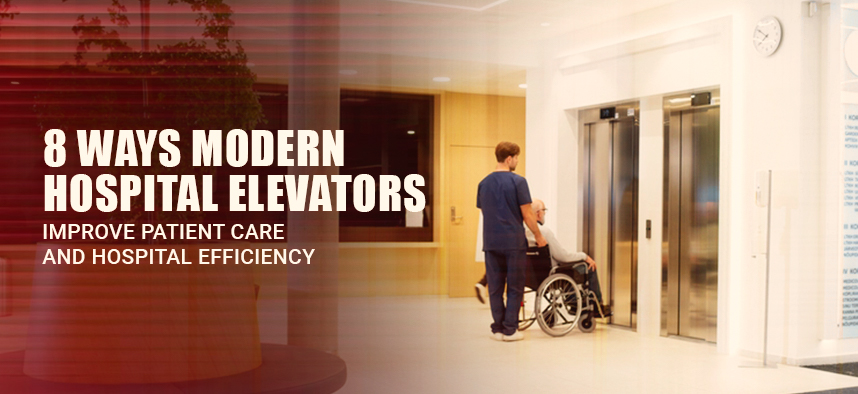
8 Ways Modern Hospital Elevators Improve Patient Care and Hospital Efficiency
Table of Contents
- Introduction
- Faster Patient Transportation During Emergencies
- Spacious Cabins for Stretchers and Medical Equipment
- Smooth and Comfortable Ride for Critical Patients
- Enhanced Safety for Patients, Visitors, and Staff
- Improved Accessibility for Everyone
- Better Hygiene and Infection Control
- Smart Technology Improves Operational Efficiency
- Energy-Efficient Performance Lowers Operating Costs
- Hospital Elevator vs Passenger Elevator
- Choosing the Right Hospital Elevator
- Why Epic Hospital Elevators Are Built for Modern Healthcare
- Conclusion
Introduction
In a healthcare facility, every second matters. Whether it's transporting a patient to the emergency room, moving medical equipment to an operating theatre, or ensuring smooth access for visitors, elevators play a critical role in keeping hospital operations running efficiently. Unlike standard passenger elevators, hospital elevators are specifically engineered to meet the unique demands of healthcare environments, where safety, reliability, accessibility, and speed are essential.
Modern hospital elevators are equipped with advanced technologies that improve patient care and help healthcare professionals deliver timely, efficient services. If you're planning a new healthcare facility or upgrading an existing one, understanding the advantages of a specialized hospital elevator can help you make the right investment.
Here are eight ways modern hospital elevators improve patient care and hospital efficiency.
Better patient care begins with smarter hospital mobility solutions.
Discover Hospital Elevators1. Faster Patient Transportation During Emergencies
In medical emergencies, delays can have serious consequences. Hospital elevators are designed to transport patients, doctors, and emergency teams quickly between departments such as the emergency room, ICU, operation theatres, and diagnostic centers.
Unlike conventional elevators, hospital elevators prioritize smooth, efficient movement, helping medical staff respond faster in critical situations. Reduced waiting times can significantly improve emergency workflows and support better patient outcomes.
2. Spacious Cabins for Stretchers and Medical Equipment
Hospitals frequently transport stretchers, wheelchairs, hospital beds, and life-saving medical equipment between floors. Standard passenger elevators often lack the space required for these essential movements.
Modern hospital elevators feature larger cabins and wider doors that comfortably accommodate:
- Stretchers and hospital beds
- Wheelchairs
- Medical carts
- Oxygen cylinders
- Diagnostic equipment
The additional space allows healthcare professionals to accompany patients during transport without compromising comfort or safety.
3. Smooth and Comfortable Ride for Critical Patients
Patients recovering from surgery or receiving intensive care require gentle transportation throughout the hospital. Sudden jerks or vibrations can cause discomfort and, in some cases, affect medical procedures or equipment.
Modern hospital elevators are designed with advanced drive systems that ensure smooth acceleration, precise leveling, and quiet operation. This creates a more comfortable experience for patients while making it easier for healthcare staff to transport sensitive medical equipment safely.
Give your healthcare facility the reliability it needs to perform without interruption.
View Hospital Elevator Solutions4. Enhanced Safety for Patients, Visitors, and Staff
Safety is one of the most important requirements in any healthcare facility. Hospital elevators incorporate multiple safety features to ensure reliable operation under all conditions.
Common safety features include:
- Automatic leveling for safe entry and exit.
- Door protection sensors to prevent accidental closing.
- Emergency alarm systems.
- Battery backup during power failures.
- Emergency rescue operation.
These features help protect patients with limited mobility, elderly visitors, healthcare professionals, and anyone using the elevator throughout the day.
5. Improved Accessibility for Everyone
Hospitals welcome people of all ages and physical abilities. Accessibility is essential to ensure every patient and visitor can move comfortably throughout the facility.
Modern hospital elevators are designed with accessibility features such as:
- Wide automatic doors
- Braille buttons
- Voice announcements
- Easy-to-read digital displays
- Wheelchair-friendly layouts
These thoughtful additions create a more inclusive environment while supporting compliance with accessibility standards.
6. Better Hygiene and Infection Control
Maintaining hygiene is a top priority in healthcare settings. Elevator cabins and control panels are high-touch areas that require frequent cleaning. Modern hospital elevators are often built using durable stainless steel finishes and easy-to-clean materials that withstand regular sanitization. Some systems also support touchless operation, reducing unnecessary contact with buttons and helping hospitals strengthen infection control practices.
Clean, hygienic elevator interiors contribute to a safer environment for patients, visitors, and medical staff.
Support faster patient movement with elevators designed for modern healthcare.
Talk to Our Experts7. Smart Technology Improves Operational Efficiency
Technology is transforming every aspect of healthcare, including vertical transportation.
Many modern hospital elevators now include intelligent features such as:
- Real-time system monitoring.
- Predictive maintenance alerts.
- Energy-efficient drive systems.
- Intelligent control systems.
- Faster fault diagnostics.
These technologies allow facility managers to identify potential issues before they become major problems, reducing downtime and ensuring uninterrupted elevator performance. Reliable elevators also improve workflow by minimizing delays in patient and equipment transportation.
8. Energy-Efficient Performance Lowers Operating Costs
Hospitals operate around the clock, making energy efficiency an important consideration. Modern hospital elevators are designed to reduce power consumption without affecting performance. Features such as LED lighting, energy-efficient motors, and intelligent standby modes help lower electricity usage while supporting sustainable building operations.
In addition to reducing operating costs, energy-efficient elevators contribute to environmentally responsible healthcare infrastructure and long-term cost savings.
Hospital Elevator vs Passenger Elevator
Although they may appear similar, hospital elevators are purpose-built to meet the unique requirements of healthcare facilities.
| Feature | Hospital Elevator | Passenger Elevator |
|---|---|---|
| Cabin Size | Large enough for stretchers and hospital beds | Designed primarily for passengers |
| Capacity | Higher load capacity | Standard capacity |
| Ride Quality | Smooth for patient comfort | Standard operation |
| Accessibility | Enhanced for wheelchairs and medical equipment | Basic accessibility features |
| Application | Healthcare facilities | Commercial and residential buildings |
Choosing a dedicated hospital elevator ensures smoother patient movement, improved safety, and better operational efficiency compared to a standard passenger elevator.
When lives depend on every second, choose elevators you can trust.
Get a Free ConsultationChoosing the Right Hospital Elevator
Selecting the right hospital elevator requires more than comparing specifications. Healthcare facilities should evaluate factors such as:
- Patient and equipment capacity
- Ride comfort
- Safety features
- Accessibility
- Energy efficiency
- Reliability
- Maintenance support
- Long-term operational performance
Partnering with an experienced hospital elevator manufacturer ensures your facility receives a solution designed to meet the demands of modern healthcare environments.
Why Epic Hospital Elevators Are Built for Modern Healthcare
At Epic Elevators, we understand that hospitals require more than just reliable vertical transportation. They need elevators that support patient care, improve workflow, and operate consistently under demanding conditions.
Our hospital elevator solutions are engineered with advanced safety features, spacious cabin designs, smooth ride technology, and dependable performance to meet the evolving needs of healthcare facilities. Whether transporting patients, medical staff, or critical equipment, Epic hospital elevators are designed to deliver efficiency where it matters most.
Conclusion
Modern hospital elevators are an essential part of healthcare infrastructure. From faster emergency response and improved accessibility to enhanced hygiene and energy efficiency, they contribute significantly to better patient care and smoother hospital operations.
Investing in the right hospital elevator not only improves day-to-day efficiency but also creates a safer and more comfortable experience for patients, visitors, and healthcare professionals. As healthcare facilities continue to evolve, choosing a reliable elevator solution like Epic hospital elevators helps ensure your building is prepared to meet today's demands and tomorrow's challenges.

